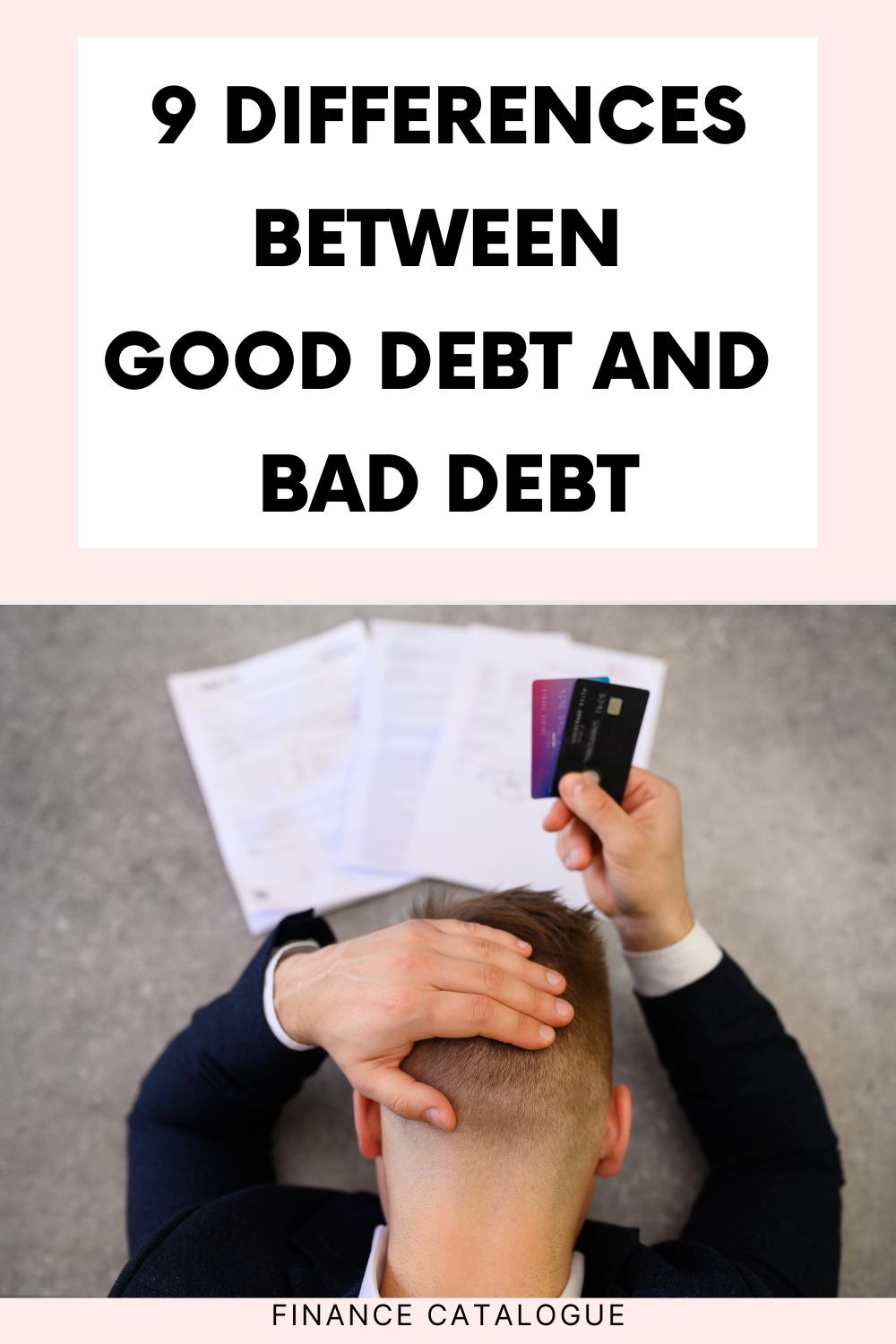
Debt has always been a tricky subject for many people, and honestly, I’ve seen both sides. Debt isn’t the enemy. It’s how you use it that makes or breaks you. See, not all debt is bad. Some debt can actually make you richer. But the wrong kind? It’ll keep you broke, stressed, and trapped in a paycheck-to-paycheck nightmare. So, what is the difference between good debt and bad debt?
Good debt is any debt that increases your wealth or improves your financial future. A mortgage? Good debt. A business loan? Good debt. Bad debt, on the other hand, takes money out of your pocket without giving you anything valuable in return. Credit card debt, and payday loans with interest rates, are all bad debts because they keep you in a cycle of stress and struggle.
The scary part? Most people don’t even know which kind of debt they have, and it has kept them stuck in a cycle of poverty. But don’t worry—I’ve got you. Keep reading. In this article, I’ll break it all down step by step so you’ll never have to wonder again. No jargon. Just clear, honest advice. Let’s talk about how to use debt in a way that works for you.
1. Good Debt Helps You Make More Money; Bad Debt Takes Money From You
I’ve been on both sides of this equation. There was a time I took out a loan for something that was supposed to “change my life.” Spoiler alert: it didn’t. Instead, it drained my account, and I found myself working extra hours to keep up with payments. That’s bad debt—it pulls money from your pocket without giving you anything in return.
On the other hand, I once borrowed money to invest in a business. It wasn’t easy, but that debt opened up new opportunities. The profits I made covered the loan, and I ended up in a better financial position than before. That’s the power of good debt—it works for you.
One of the clear signs of good debt is that it has the potential to generate a return on investment. Student loans (for useful degrees), real estate investments, and business loans can all be good debts if handled wisely. Meanwhile, things like credit card balances on shopping sprees or payday loans? They take money from you and never give anything back.
So, when you think about debt, ask yourself: Is this debt going to help me grow, or is it just taking away from my future? If you’re borrowing to invest in something that has the potential to grow, like property or education, then you’re on the right track.
But if you’re borrowing for things that give you instant satisfaction but little to no value later, that’s when you’re stepping into foul debt territory. If you’re going to take on debt, make sure it will bring in more money later – like a home, a business, or skills that can increase your earning power. Don’t let your debt drain you!
2. Good Debt Is Used For Investment, Bad Debt Is Used For Pleasure

Debt isn’t inherently bad; it’s all about what you’re using it for. One of the clear signs of good debt is that it’s used for something that will pay off in the long term. Bad debt, on the other hand, is usually spent on things that feel good in the moment but don’t bring any long-term value.
Five years ago, I made a silly mistake I regret. I took out a loan to go on a vacation. It was a beautiful trip, but the debt didn’t come with any return. It wasn’t an investment; it was just pure pleasure. When I got back, the credit card bill was waiting for me, and the reality hit hard. That vacation wasn’t going to make me any money. It didn’t add value to my life financially.
Good debt, however, is when you borrow money to fund something that will generate more wealth in the future. I took out a small loan to invest in a business I was starting. It wasn’t easy, but that debt helped me develop something that continues to generate income today. The debt didn’t just disappear – it paid for tools, marketing, and systems that allowed me to build wealth.
You have to be honest with yourself. How many times have we seen someone buy something to “look good” in front of others, only to regret it later when the credit card bill comes due? I’ve been there.
The trick is to ask yourself: “Will this debt help me grow?” If the answer is no, then it’s likely bad debt. Invest in things that will lead to growth, whether it’s education, property, or business. Use debt as a tool to increase your wealth, not to impress others. That way, you’ll always have more to show for your efforts.
3. Good Debt Increases Your Wealth, Bad Debt Drains Your Pocket
Imagine trying to fill a cup with water, but there’s a hole at the bottom. Every time you pour in more water, it leaks right out. That’s bad debt. It continues to drain your resources without providing anything in return. On the other hand, good debt is like a cup with no hole – it keeps the water in and allows it to accumulate over time.
I’ve had both experiences. Early in my career, I bought a car on credit. I thought it was a great deal – low payments and a shiny exterior. But the car’s value dropped the moment I drove it off the lot.
Every month, I was paying for a depreciating asset. Meanwhile, the money I could’ve been putting into savings or investments was just draining away, along with the interest on that loan. That car wasn’t increasing my wealth – it was costing me more and more.
Good debt, on the other hand, is like the opposite. They increase your wealth overtime. You’re leveraging the money to generate more wealth than you initially borrowed. I took out a loan a few years ago to invest in real estate. The property didn’t just sit there; it grew in value, and I was able to rent it out, making money every month.
That’s good debt – money that helps increase your wealth. When you take on debt, ask yourself: Will this help me build more wealth over time, or will it simply drain my resources? Good debt should help you increase your net worth, while bad debt makes you poor faster.
So, what’s the lesson here? Don’t fall into the trap of using debt to satisfy immediate desires. Focus on using debt that increases your wealth. Debt should be a tool, not a trap.
The way to start turning debt into wealth is by investing in assets that appreciate over time. Look for opportunities where your borrowed money can turn into income, and then use that income to pay off your debt. Every debt you have should contribute to your future growth, not drain your present resources.
4. Good Debt Has Future Benefits, Bad Debt Brings Regrets
There’s nothing more painful than realizing you borrowed money for something that didn’t move your life forward. The kind of debt that makes you wake up in the middle of the night thinking, “Why did I do that?” That’s bad debt. On the other hand, good debt is like planting a seed. It might take time, but eventually, it grows into something valuable.
Think of a student loan for a high-income skill, a business loan that turns into a thriving company, or a mortgage that gives you a home of your own instead of wasting money on rent. These debts may feel heavy now, but they come with future rewards.
Bad debt? That’s borrowing for things that give instant pleasure but long-term headaches—like maxing out a credit card on a luxury vacation when your bank account is gasping for air. It’s the debt that leaves you struggling with payments.
I’ve taken out loans for things like designer clothes or vacations that I didn’t need, and guess what? They didn’t bring any returns. Those things lost value the second I bought them. What did I get in return?
A pile of debt and a feeling of “why did I do that?”, the payments? They followed me for years. That was bad debt—debt that didn’t add any future value to my life, just stress. Now, I wish someone had told me this before I took out some loans. I would have been wiser.
Now you know the difference between good debt and bad debt. Don’t make the same mistakes I’ve made in the past. Always remember: If you’re borrowing for something that doesn’t grow your wealth or improve your life long-term, it’s bad debt. Good debt works for your future, bad debt keeps you stuck in regret.
5. Good Debt Helps You Grow Financially, Bad Debt Keeps You Stuck In Poverty
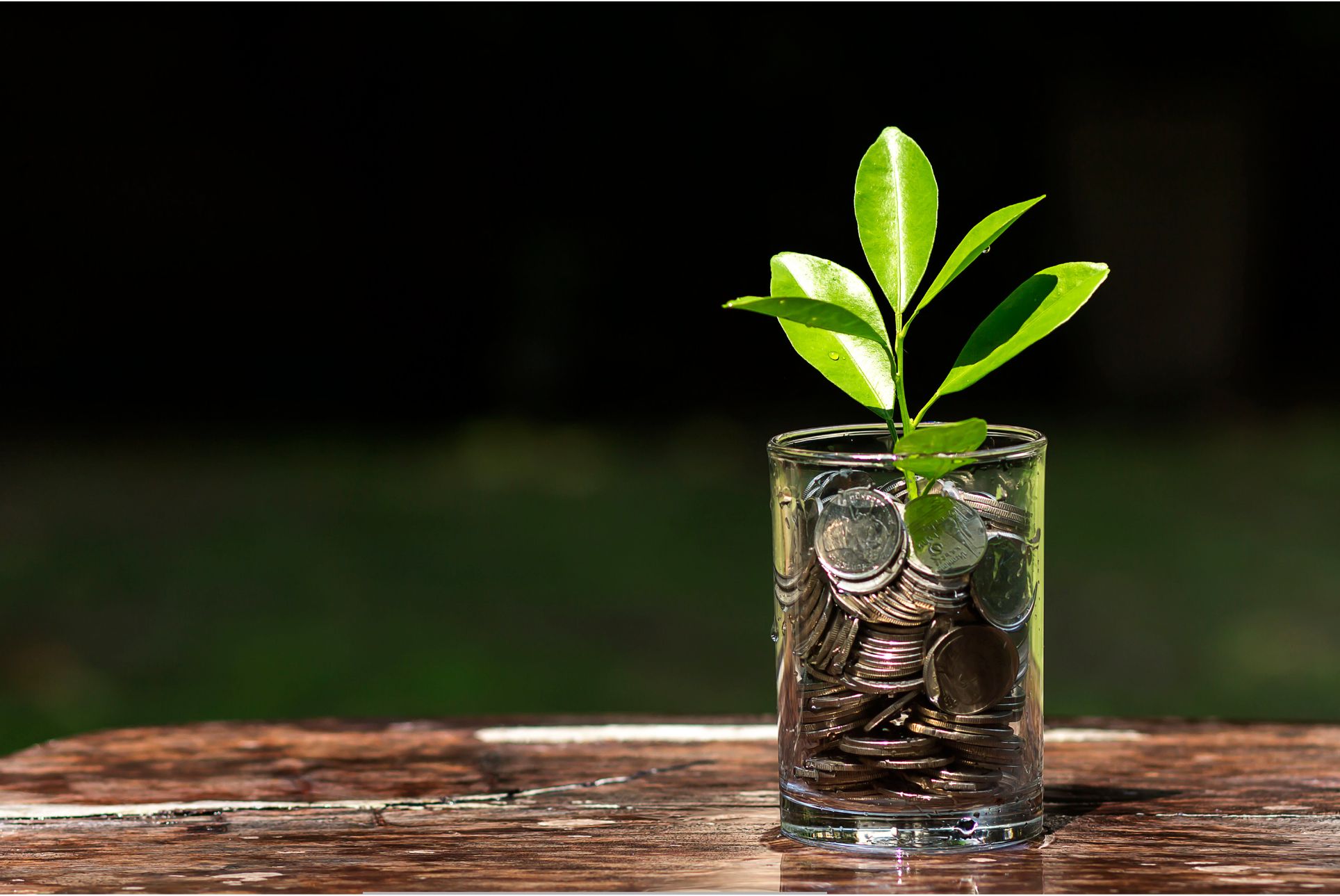
Sometimes I wish someone had sat me down and told me, “Not all debt is bad, but a lot of it will keep you stuck.” I didn’t always understand the difference, especially when I was deep in the trap of credit card debt, paying for things I didn’t need but wanted at the moment. That kind of debt doesn’t grow your money; it just weighs you down.
Good debt is the kind that helps you grow financially. It’s like using a ladder to climb higher, step by step. For instance, taking a loan to buy rental property can be a great way to increase your income.
The money you earn from renting out that property can help pay off the loan and eventually put more money in your pocket. That’s a smart financial move. And the best part? If you handle it well, your wealth will grow over time, creating opportunities for you to continue climbing.
Bad debt, however, is the kind that traps you in a cycle of living paycheck to paycheck. It’s not helping you build wealth, it’s just keeping you stuck. I once took a loan for a luxury car I couldn’t afford, and the payments were eating into my finances every month. Sure, I had a nice car, but it didn’t bring in any income.
It just drained my resources, making it harder for me to break free from financial stress. So here’s what you need to do: think long-term. Don’t fall into the trap of borrowing for things that don’t help you grow financially.
If you’re borrowing to invest in something that will bring you more income or value, then it’s good debt. But if it’s for something that loses value and brings no return, it’s bad debt.
6. Good Debt Helps You Build Assets, Bad Debt Makes You Lose Assets
You’ve probably heard that “assets are the key to wealth,” right? Well, that’s because assets are the things that keep on working for you. They generate income or appreciate. But when you borrow money for something that doesn’t add value to your life, you’re losing out on building real wealth. Good debt is all about using borrowed money to build assets.
Think about the times when you borrowed money to buy a house or invested in a business. These are the kinds of things that have the potential to generate cash flow or increase in value over time.
For example, taking out a loan to purchase a property in a growing neighborhood might lead to a situation where you eventually sell that property at a higher price or earn money from renting it out.
You’re turning debt into something that will benefit you down the road. This is one of the clear signs of good debt vs. bad debt: it helps you build assets that provide income or an increase in value.
On the flip side, bad debt is the kind of borrowing that makes you lose assets. I once knew someone who had a thriving business but couldn’t resist “looking rich.” He took out massive loans to buy luxury cars, upgrade to a bigger house, and travel first class. When tough times hit, he had no savings, no assets—just debt collectors at his door. He lost everything.
I’ve had my fair share of that too. There was a time when I borrowed money for a car I couldn’t afford. Sure, the car was beautiful, but its value dropped when I drove it off the lot. Now I’m stuck paying for something that’s only losing value. Not only did I not appreciate it, but I also couldn’t sell it for enough to cover what I owed.
That’s bad debt—it takes from you and doesn’t return anything. So, when you borrow, ask yourself: “Am I building something that’s going to work for me, or am I just buying something that will lose value?” That will help you make a better financial decision that’s not driven by emotions.
7. Good Debt Improves Your Credit Score, Bad Debt Destroys Your Credit Score
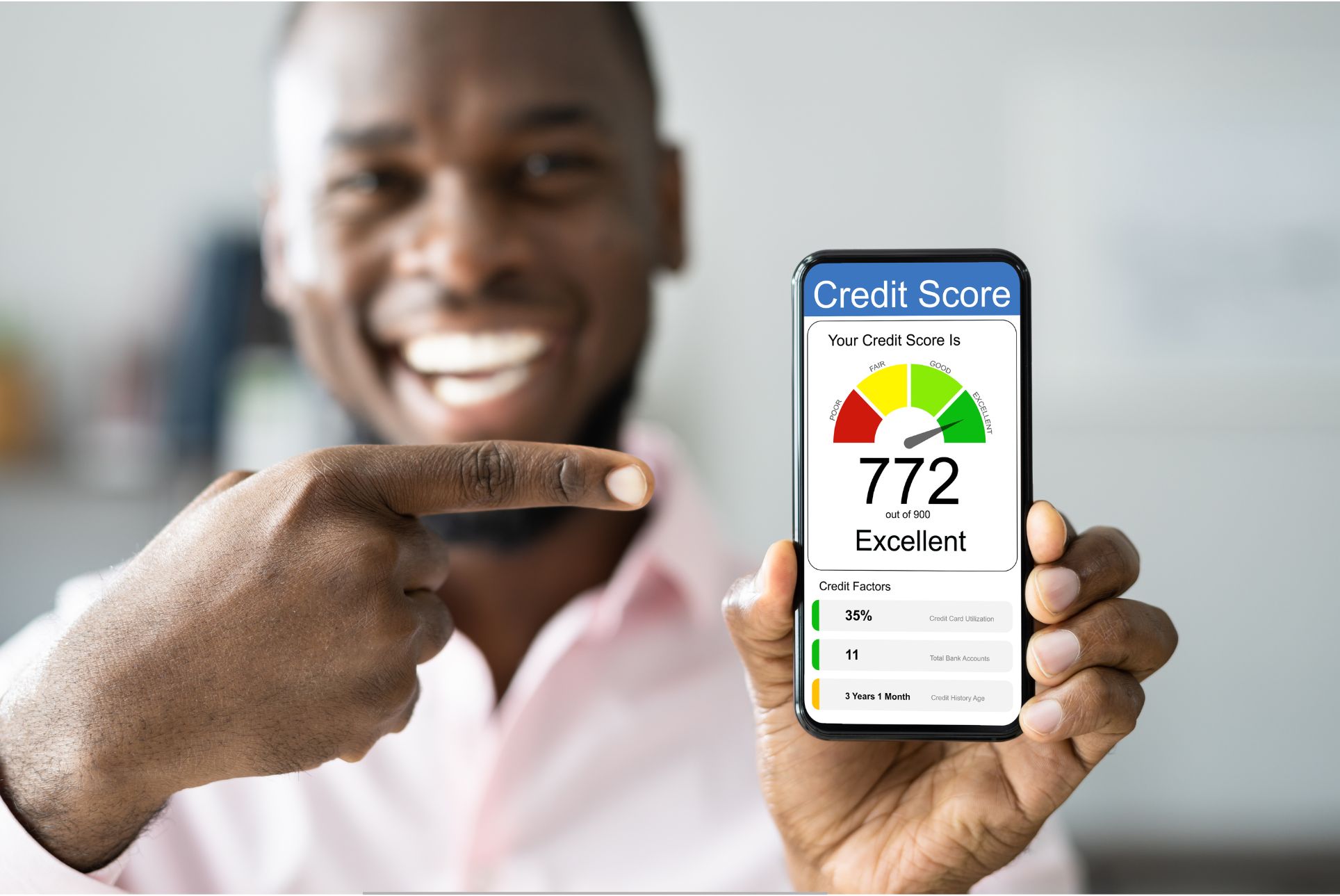
There’s a silent judge watching your every financial move—it’s called your credit score. And trust me, it has more power over your life than you think. It determines whether you can buy a house, get a car, or even land a job. The problem? Most people don’t realize that their debt choices shape their credit score more than anything else.
Another key difference between good debt and bad debt is that good debt improves your credit score, while bad debt damages your credit score. A good debt—like a mortgage or a student loan—shows lenders you’re responsible. Paying off debt on time proves you can handle money responsibly.
This makes banks trust you more, giving you lower interest rates and higher credit limits. More trust means more opportunities. Now, bad debt? That’s when you max out your credit cards, take payday loans, or miss payments.
It’s like letting your finances spiral out of control while interest rates pile up like a never-ending storm. Miss a few payments, and suddenly, your credit score tanks. Lenders see you as risky, and before you know it, getting approved for anything—even a basic car loan—becomes a nightmare.
So, how do you keep debts from ruining your credit scores?
- Use credit strategically: Don’t spend more than 30% of your credit limit.
- Always pay on time: Even if it’s the minimum payment, never miss a due date.
- Avoid payday loans: They trap you in cycles of debt with sky-high interest.
Your credit score isn’t just a number—it’s your financial reputation. Protect it, and debt will work for you, not against you. If you’re borrowing, ensure it’s for something that enhances your financial future. Pay on time, keep balances low, and avoid high-interest loans like they’re a scam—because some of them are.
8. Good Debt Creates More Opportunities, Bad Debt Limits Opportunities
Have you ever seen someone take out a loan and suddenly experience a significant improvement in their life? They used it to start a business, buy real estate, or further their education.
That’s good debt—debt that creates income, builds assets, or increases your financial worth. A small business loan can help you start your dream company, creating jobs and contributing to the economy—these types of debts, when managed well, open doors to new possibilities.
But there’s the flip side—bad debt. That’s the debt that leaves you stuck. Credit card debt from shopping sprees, car loans on luxury rides you can’t afford, and loans with crazy high interest rates.
Instead of making you money, bad debt drains your bank account. It limits what you can do, forcing you to work to pay off what you owe. High-interest debt can eat up a huge chunk of your income, leaving you with little room for anything else. It can prevent you from saving for retirement, investing in your education, or even taking a much-needed vacation.
What is good debt vs. bad debt in terms of opportunity? Good debt empowers you, while bad debt enslaves you. I had a neighbor who fell into the trap of constantly upgrading his car.
He always had a car loan, and the payments were so high that he was constantly stressed about money. He missed out on opportunities to invest and build long-term wealth because he was always paying for the “latest model.”
Don’t live your life that way. Before you take on debt, ask yourself one thing: “Will this debt help me make more money in the future?” If the answer is no, think twice. If you’re already stuck in bad debt, focus on paying it off and increasing your income. Financial freedom isn’t about how much you earn—it’s about how much you keep.
9. Good Debt Helps You Buy A Home; Bad Debt Can Lead To Losing Your Home

Owning a home is a dream for many and a major milestone for many people. It’s a place to build memories, raise a family, and put down roots. But debts can either bring you closer to that dream or rip it away.
A well-managed mortgage is a perfect example of good debt. You’re borrowing money to own an appreciating asset. Over time, your home builds equity, increasing your net worth. But if you’re drowning in bad debt on top of that? You’re setting yourself up for disaster.
One of the clear ways bad debt sabotages homeownership is through financial mismanagement. High credit card balances, unpaid loans, and reckless spending can make it impossible to qualify for a mortgage. Even worse, taking on too much debt after buying a home can lead to foreclosure.
Lenders won’t hesitate to take back a house if you stop making payments. I once knew a couple who bought their dream home—beautiful, spacious, perfect.
But they kept swiping credit cards to furnish it with high-end furniture, the latest tech, and luxury decor. Fast forward two years—they couldn’t keep up with mortgage payments. They lost the house. Why? Bad debt suffocated them.
If homeownership is your goal, be strategic. Maintain a high credit score by managing your debt wisely. Save for a solid down payment. Avoid unnecessary loans before applying for a mortgage. And once you own a home, don’t treat it like an ATM—taking out equity to fund a lavish lifestyle is a recipe for disaster.
Debt should work for you, not against you. Make the right choices today to secure your financial future. When considering a mortgage, get pre-approved to understand how much you can realistically borrow.
Don’t just focus on the maximum amount; focus on what you can comfortably afford. Factors include not just the monthly payment but also property taxes, insurance, and potential maintenance costs.
What Is Good Debt And Bad Debt?
Debt can either help you grow or hold you back—it all depends on how you use it. Some debts push you forward, while others drag you down. So, what is good debt and bad debt?
Good debt is borrowed money that helps you make more money or build wealth—like a mortgage, student loan, or business loan. It’s an investment in your future.
Bad debt is borrowed money spent on things that don’t increase in value, such as shopping sprees, luxury cars, or high-interest payday loans. It keeps you stuck in a cycle of owing more than you earn.
The key? Borrow wisely. Make debt work for you, not against you.
What Is The Meaning Of Bad Debt?
You ever feel like no matter how much money you make, you’re still broke? Like your paycheck disappears the moment it hits your account? You work hard, yet you’re stuck in the same spot, stressed and struggling.
That’s not just bad luck; that’s bad debt weighing you down. So, what is bad debt? Bad debt is any debt that takes money out of your pocket without providing anything of value in return. It’s borrowing for things that don’t grow in value or make you more money.
Credit card debt from shopping sprees, payday loans with crazy interest rates, or personal loans for luxuries you can’t afford—these are all bad debts because they keep you stuck in a cycle of paying but never getting ahead. If your debt is making your life harder instead of better, it’s bad debt.
Conclusion
Understanding the difference between good and bad debt is crucial for your financial well-being. If you’re smart about how you use debt, it can be a powerful tool to help you grow your wealth and secure your future.
However, if you let bad debt take control, it can hinder your progress and drain your finances. Always ask yourself: “Is this debt going to make me money, or is it going to cost me in the long run?”
Take the time to think carefully about your choices, and remember that good debt can actually help you get ahead, while bad debt will only leave you struggling. Stay focused, stay strategic, and you’ll use debt to build the life you want.