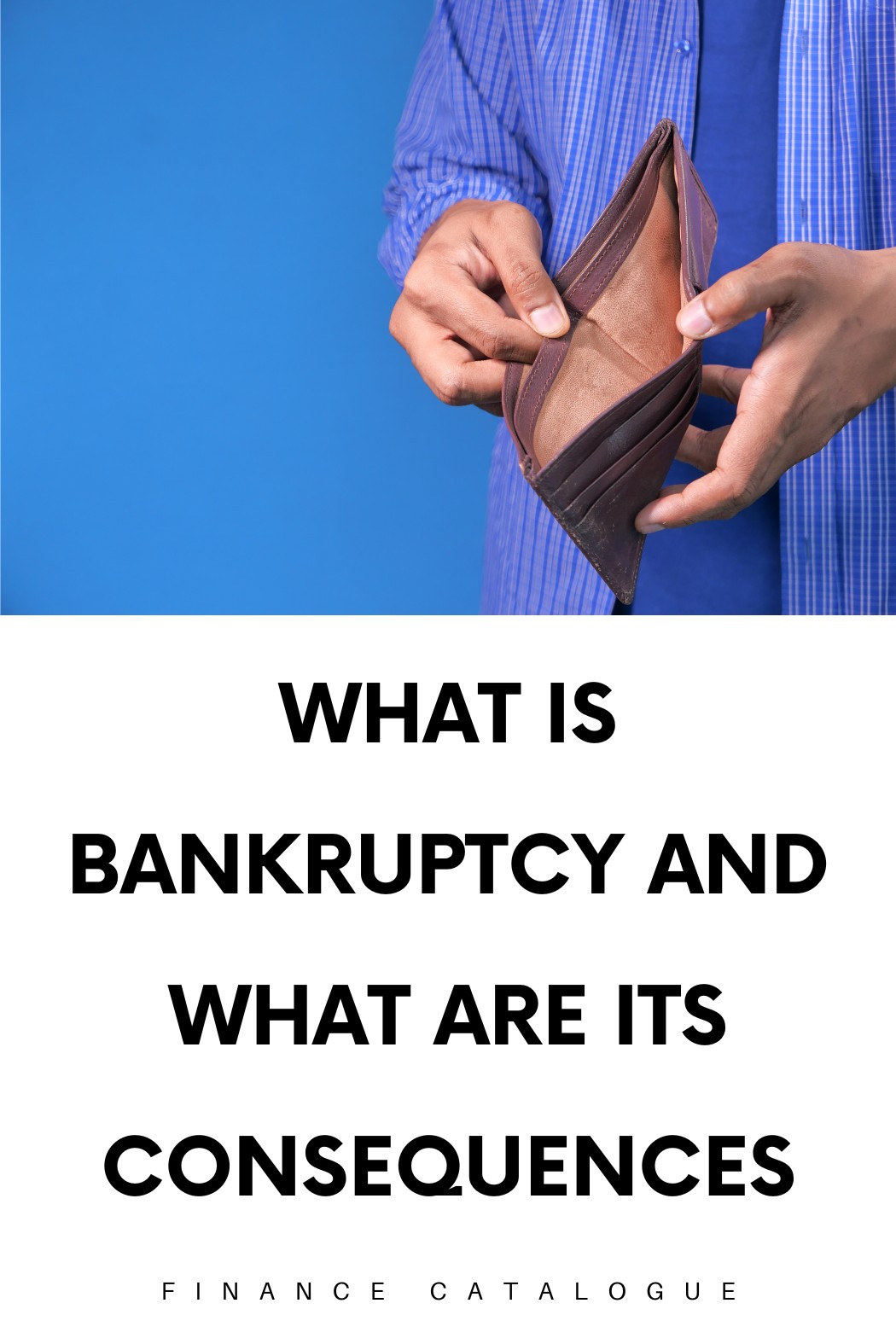
Bankruptcy isn’t just a big word you hear in financial circles—it’s a reality that can shake up your entire life. One minute, you’re trying to keep up with bills, and the next, you’re drowning in debt with no way out.
If you’ve ever worried about losing everything or wondered if bankruptcy is truly the end of the road, you’re in the right place. So, what exactly is bankruptcy, and how does it affect your life?
Bankruptcy is a legal process that helps individuals or businesses unable to pay their debts get relief or a fresh start. Depending on the type, it can erase some debts, restructure payments, or liquidate assets to settle what’s owed. But it also comes with serious consequences, from credit damage to financial restrictions that can last for years.
Knowing this is just the beginning. Bankruptcy doesn’t mean the end of your financial journey. In fact, it can be the beginning of a fresh start. Please stick with me as we dive deeper into how bankruptcy works and how to rebuild from it, step by step. Trust me, I’m here to guide you through it.

1. Bankruptcy Means You Don’t Have Enough Money To Pay Your Debts
Not having enough money to pay what you owe is one of the worst financial nightmares anyone can experience. It starts small—maybe a missed credit card payment, an unpaid hospital bill, or a loan you thought you could handle.
Before you know it, the interest piles up, late fees kick in, and suddenly, your income isn’t enough to cover your debts. When the bills keep piling up and your bank account stays empty, bankruptcy becomes a harsh reality.
Another point to consider is that bankruptcy doesn’t just happen overnight. It builds up over time when expenses keep outpacing income. You may have tried cutting costs, borrowing from friends, or picking up extra work, but nothing seems to be enough.
At some point, the stress becomes unbearable. The calls from creditors, the eviction threats, the constant worry—it’s a pressure cooker waiting to explode.
I’ve seen people in this exact spot — overwhelmed and unsure of what to do next. They didn’t start carelessly; life just happened to them. Job losses, medical emergencies, bad financial choices — and suddenly, the debts pile up faster than the money coming in.
One of the things that hits hardest is the feeling of failure, like you didn’t do enough. But here’s a key note: Filing for bankruptcy doesn’t mean you’re a failure. It means you’ve reached a point where you need help. The key is understanding how to avoid getting there in the first place.
So what do you do? First, don’t ignore the problem. Face it head-on. List all your debts and income. Start by tracking your expenses, living below your means, and staying away from debts you can’t manage.
The sooner you address the issue, the better your chances of finding a solution that keeps you out of deep financial trouble. If your finances are already in trouble, don’t wait until it’s too late—seek advice from a financial expert before you reach the point of no return.
2. It Is A Legal Way To Get Relief When You Owe Too Much

Financial struggles don’t just drain your bank account—they drain your energy, peace of mind, and even your relationships. Every phone call feels like a threat, and every unopened envelope could be another overdue notice.
When debt takes control of your life, bankruptcy can serve as a legal lifeline to stop the chaos.. Some people think it’s the worst thing that can happen, but in reality, it can be the only way to regain control.
One of the meanings of bankruptcy is that it provides legal protection from those you owe money to. Once you file, creditors can’t harass you or take your wages. It’s like putting a shield around your remaining assets.
But that doesn’t mean everything is forgiven—some debts, like student loans or certain taxes, don’t disappear. You may also have to sell some belongings or follow a repayment plan, depending on the type of bankruptcy you file.
If you ever find yourself in this situation, don’t panic. Instead, get informed. So, what should you do before considering bankruptcy? First, exhaust all other options. Negotiate with creditors, reduce unnecessary expenses, and explore additional sources of income.
If you must file, understand the type of bankruptcy that applies to your situation. Seek financial counseling and create a long-term strategy to avoid falling back into debt. The goal isn’t just to get out of trouble—it’s to make sure you never end up in the same position again.
3. When You File For Bankruptcy, The Court Takes Control Of Your Debts
Losing control over your finances is one of the most challenging aspects of bankruptcy. Before you file, you’re the one deciding which bills to pay and which to put off. But after filing, the court takes over. Your finances are no longer just your business—they’re under legal supervision. That can be a relief, but it also means significant changes in how you live.
Another point that surprises many people is that you might have to give up certain things. The court may sell off your non-essential assets to repay creditors. Your car, jewelry, or other personal property may be seized, depending on the type of bankruptcy.
In some cases, you may be required to follow a strict payment plan for several years. It’s not just about wiping the slate clean; it’s about proving you’re taking responsibility for your financial recovery.
If you ever get to this point, don’t see it as the end—it’s a second chance. The key is to rebuild smarter. So, what can you do? If you’re considering bankruptcy, get legal advice first. Know your rights, understand the process, and prepare for the changes ahead.
More importantly, use this as a learning experience. Budget wisely, build emergency savings, and develop financial discipline so that you never find yourself in this situation again. Bankruptcy is a tough road, but if handled right, it can be the beginning of a much-needed financial turnaround.
4. Bankruptcy Affects Your Credit Score For Many Years

People don’t talk about it enough, but the truth is that once you file for bankruptcy, your credit score is affected too, and it doesn’t recover overnight.
That three-digit number that lenders use to judge your financial responsibility? It drops, and in some cases, it drops hard. The worst part? It stays on your record for years—seven to ten, depending on the type of bankruptcy. And in the world of money, a bad credit score is like carrying a heavy weight on your back.
Lenders, landlords, even some employers check credit reports. A low score can make it harder to rent an apartment, get a car loan, or even qualify for a sound credit card.
And if you do manage to get credit, the interest rates will be sky-high because lenders see you as risky. Another point to understand is that rebuilding your credit after bankruptcy is not impossible, but it takes patience and discipline. You’ll need to start small—maybe with a secured credit card or small loans that you pay off in full every month.
Don’t get me wrong. Bankruptcy doesn’t mean the end of financial success, but it requires a strategic approach. The key is to avoid making the same mistakes that led to bankruptcy in the first place. Budgeting, saving, and managing debt wisely will help you rebuild over time.
5. Getting Loans After Bankruptcy Becomes Very Difficult
Lenders don’t like risk, and bankruptcy is a red flag that screams, This person couldn’t handle debt before. The moment you declare bankruptcy, lenders see you differently. It doesn’t matter how good your intentions are—your financial history tells a story, and in their eyes, it’s not a good one.
Banks and financial institutions are hesitant to approve loans for individuals who have recently discharged their debts through bankruptcy. One of the meanings of this situation is that even when you do find a lender willing to take a chance on you, they’ll likely charge you ridiculously high interest rates.
Another point many people overlook is the emotional toll this takes. It’s frustrating when you desperately need a loan for something important—a car, a home, or even a business—but banks won’t take a chance on you. Some people end up relying on predatory lenders with exorbitant interest rates, exacerbating their situation.
Think about it—would you lend money to someone who just had to erase their debts because they couldn’t pay? That’s precisely how lenders view bankruptcy filers.
Even if you need a loan for something urgent, like a medical emergency or car repair, getting approved won’t be easy. And if you manage to obtain a loan, the repayment terms will likely not be favorable.
So, what’s the way forward? Start rebuilding your financial credibility one step at a time. Pay all your bills on time, avoid taking on unnecessary new debts, and if you must borrow, consider alternative lenders such as credit unions or peer-to-peer lending platforms.
The goal is to prove over time that you can be trusted with money again. Bankruptcy may set you back, but with smart financial habits, you can gradually work your way back up.
6. Your Bank Accounts And Income May Be Monitored
Many people think bankruptcy wipes their debt clean, but what they don’t realize is that it also puts their finances under a microscope. Your spending habits, bank transactions, and even your sources of income can be monitored, especially if you’re still settling outstanding payments.
One of the meanings people fail to realize is that bankruptcy courts and creditors can place restrictions on your earnings. This means if you suddenly start making more money, part of it could be taken to pay back your debts. Some people have even had their wages garnished, leaving them struggling to cover daily expenses.
For individuals who rely on side hustles or inconsistent income streams, this can be particularly frustrating. You might find yourself limited in what you can spend, and any unexpected income—like a bonus at work—could be taken to repay creditors.
Some bankruptcy cases even result in wage garnishment, where a portion of your salary is automatically deducted before you even get paid.
To avoid this, the best course of action is to create a solid financial plan. The best approach? Learn from the mistakes that led you here and make better financial decisions moving forward.
Avoid unnecessary expenses, live within your means, and start saving, even if it’s little by little. The goal isn’t just to survive bankruptcy, but to emerge financially stronger.
7. Some Jobs May Not Hire You If You Have A Bankruptcy Record

Financial difficulties don’t just impact your bank account; they can also affect your career. A bankruptcy record can seriously hurt your chances of landing a job, even when you have the right skills for the role. While it’s not fair, some employers see bankruptcy as a red flag.
They might think you’re irresponsible with money or may have trouble handling stress, especially in high-pressure roles. This is especially true for jobs in finance, government, and positions that involve handling money or sensitive information.
It may surprise you, but your credit history and bankruptcy status can end up in the hands of potential employers through background checks. In some cases, they could choose someone without a bankruptcy record over you—even if you have more experience or better qualifications.
A company hiring for a financial role might hesitate to trust someone who has struggled with debt. Even jobs that don’t involve handling money might still require background checks, and a bankruptcy record can raise red flags.
Another important point to note is that this may not be the case for every employer. Some companies don’t care about your past financial struggles. But the reality is that the stigma can hold you back. I’ve known people who, after filing for bankruptcy, saw opportunities slipping away simply because hiring managers saw their financial mishap on paper.
So, what can you do? First, know that transparency is key. If your bankruptcy is something that happened in your past, explain how you’ve learned from it, how you’ve turned things around, and the steps you’re taking to avoid such situations. Your story could work in your favor if you show growth and responsibility. Just don’t hide it.
Taking control of your finances and even seeking advice from financial counselors can help you avoid letting past mistakes cost you future opportunities. Another point—never let your financial history define you. You can bounce back.
8. Renting A House May Become Harder After Bankruptcy
Here’s another reality check: your dreams of renting that perfect house or apartment may be delayed when you have a bankruptcy on your record. Renting a home might seem like something simple, right? But you’d be surprised how much a bankruptcy can impact that process.
Landlords and property managers don’t just want to know that you have the money to pay rent—they also want to feel secure that you won’t leave them hanging. Another point is that a bankruptcy makes them wonder if you’ll make payments on time or stop paying altogether.
You see, landlords often pull your credit report before they decide whether to rent to you. And one of the first things that’ll show up on that report is any bankruptcy filings. That alone could be a dealbreaker.
Now, I’m not saying you’ll never find a place to rent after a bankruptcy, but it may take a little extra effort. Some landlords will flat-out deny you, while others might demand a bigger deposit or ask for a co-signer. All of these extra hoops to jump through can be frustrating, especially if you’re already dealing with the stress of recovering from financial hardship.
This was a harsh lesson for a friend of mine. After going through bankruptcy, he found that renting a house was harder than ever. No matter how good his income was, landlords saw that financial slip-up in his history and became cautious.
Some even turned him down outright, while others increased his security deposit to offset the perceived risk. It felt like he was being punished for something that happened years ago.
To avoid this, the best thing you can do is start rebuilding your credit and demonstrate responsibility by paying rent on time and avoiding further debts. You can also show proof of stable income, which gives landlords more peace of mind that you’ll be able to meet your rental obligations.
9. Your Name Will Be In Public Records After Filing For Bankruptcy

One of the most uncomfortable aspects of bankruptcy is that your financial troubles become public record. Once you file for bankruptcy, your name is included in public records.
Whether you’re applying for a job, trying to rent a place, or just doing something simple like trying to open a bank account, another point to consider is that people can easily access your bankruptcy information. It’s not something you can easily hide, and in many cases, it can leave you feeling embarrassed and judged.
But don’t despair, though. Another point to consider is that public records don’t last forever in terms of their impact. Most bankruptcy records will stay on your public record for about 7 to 10 years, but over time, the stigma fades.
Over time, people tend to forget. It might sting for a while, but as you work to rebuild your finances and show you can handle money responsibly, that bankruptcy will fade into the background.
So, what can you do to deal with this? First off, don’t let the public nature of your bankruptcy shame you into thinking it defines who you are. Yes, it’s out there, but it doesn’t make you any less of a person.
Take the opportunity to rebuild and show that you’ve learned from the experience. One way to manage this is by focusing on building a stronger financial future. Start fixing your credit score, saving, and paying off any lingering debts. Over time, as you get your financial life back on track, people will start to see you for the person you are now, not the past mistake.
What Is Bankruptcy
Have you ever wondered what happens when someone can no longer keep up with their debts? You may hear people discuss filing for something called “bankruptcy.” So, what exactly does that mean, and how does it work?
Bankruptcy is a legal process in which an individual or business declares that they are unable to pay their debts. It allows them to either wipe out some or all of the debt or come up with a plan to pay it off over time. The goal is to give the person or business a fresh start, but it also comes with consequences, such as a hit to their credit score.
How Does Bankruptcy Work?
Nobody plans to end up in a financial hole so deep that climbing out feels impossible. But sometimes, debts pile up, and no matter how much you try to pay them off, they keep growing. At that point, you might start wondering—what happens when you can’t pay anymore? Is there a way out? That’s where bankruptcy comes in.
Bankruptcy is a legal process that helps individuals or businesses discharge their debts when they are unable to pay them. Depending on the type, it can either wipe out your debts completely or create a plan for you to pay back some of it over time. Here are some key things you need to know:
- You must file a legal request with the court: Bankruptcy isn’t automatic—you have to apply for it. You (or your lawyer) must file a petition in court, listing your debts, assets, income, and expenses. The court will then review your situation to determine if you qualify.
- The court reviews your finances – A bankruptcy trustee examines your financial situation to determine what debts can be cleared and whether you need to repay some.
- You get an automatic stay: Once you file for bankruptcy, something called an “automatic stay” kicks in. This means creditors (the people you owe money to) are legally prohibited from contacting you, calling you, or attempting to take any legal action to collect your debts.
- You get a debt repayment or Discharge – Depending on the type of bankruptcy, some debts are erased, while others may require a repayment plan.
What Does Filing Bankruptcy Entail?
Filing for bankruptcy involves several essential steps, and understanding them can help you decide if it’s the right choice. Here’s what it entails:
- Assessing Your Financial Situation – Before filing, you need to evaluate your debts, income, and assets to determine if bankruptcy is necessary or if other options, such as debt settlement, might be more suitable.
- Choosing the Right Bankruptcy Type – There are different types of bankruptcy, but the most common for individuals are: Chapter 7 (Liquidation): Some of your assets may be sold to pay off creditors, and most of your unsecured debts (like credit cards and medical bills) are wiped out. Chapter 13 (Repayment Plan): You create a court-approved repayment plan to pay off debts over 3 to 5 years.
- Credit Counseling Requirement – You must complete a government-approved credit counseling session within 180 days before filing for bankruptcy.
- Filing the Bankruptcy Petition – This involves submitting paperwork to the court, including details about your income, debts, assets, and expenses. Once filed, an “automatic stay” stops creditors from collecting payments, suing you, or repossessing assets.
- Meeting with Creditors (341 Meeting) – You’ll have to attend a meeting where a bankruptcy trustee and creditors may ask about your financial situation.
- Following the Court Process – If filing Chapter 7, eligible debts will be discharged after a few months. If filing Chapter 13, you must stick to the court-approved repayment plan.
- Impact on Credit and Finances – Bankruptcy stays on your credit report for up to 10 years (for Chapter 7) or 7 years (for Chapter 13), affecting your ability to get loans, credit cards, or even certain jobs.
- Financial Education Course – Before bankruptcy is finalized, you must complete a financial management course to help you avoid future debt issues.
- Debt Discharge or Repayment Completion – Once you meet all requirements, the court discharges your eligible debts (Chapter 7) or confirms that you’ve completed your repayment plan (Chapter 13).
- Rebuilding Your Financial Life – After bankruptcy, you’ll need to work on improving your credit, managing finances better, and avoiding mistakes that led to debt in the first place.
What Qualifies You For Bankruptcy?
Life can hit hard, and sometimes, no matter how much you try, the debts keep piling up. You’re drowning in bills, creditors are calling non-stop, and you’re wondering—at what point do I qualify for bankruptcy? Is there a point where the law says, “You’ve had enough”?
You qualify for bankruptcy if:
- You can’t pay your debts on time and have no way to catch up.
- Your total debts are more than what you own (your assets).
- Creditors are suing you or threatening legal action.
- Your wages are being garnished (money taken from your paycheck).
Bankruptcy isn’t an easy choice, but if your debts are out of control and you have no realistic way to pay them back, it might be an option. Always consult a financial expert before making a decision.
What Are The Effects Of A Bankruptcy Stay?
You’ve probably heard of people filing for bankruptcy, but have you ever wondered what it really means for their lives after the process is over? The effects of going bankrupt can be a big deal, and it’s not just about wiping away debt. So, how does bankruptcy affect a person long-term?
Bankruptcy can significantly impact your credit for years, making it more challenging to obtain loans or credit cards. It can also affect your mental well-being, causing stress, shame, or anxiety.
On a practical level, you might face challenges renting a home or even getting a job, depending on your field. But with time, if you’re careful, you can rebuild your financial life.
Can You Recover From Bankruptcies?
Going through bankruptcy can feel like a dark tunnel, and you might be wondering if there’s any way out. After all, how do you come back from such a significant financial setback? Can you recover from bankruptcies? You can recover from bankruptcy.
It won’t happen overnight, but with patience and smart financial steps, you can rebuild your credit, regain stability, and create a better financial future. Many people emerge from bankruptcy stronger, and you can too.
Conclusion
Ultimately, bankruptcy should be a last resort, not a shortcut. The consequences are profound, but with the right strategies, you can regain control of your finances. Don’t just move on—move forward wisely.